LVIS™ & LVIS™ JrProduct Code (REF): 212517-CAS
LVIS™ (Low-profile Visualized Intraluminal Support) and LVIS™ Jr are braided, closed-cell intracranial stents designed to assist coil embolization of wide-neck aneurysms. The stent is placed in the parent artery spanning the aneurysm neck, preventing coil loops from herniating into the parent vessel during packing and allowing higher coil fill densities than are achievable with balloon assist alone. The braided construction provides full-length radiopacity — every strut is visualized under fluoroscopy — enabling precise deployment and accurate post-deployment assessment. Beyond mechanical coil containment, the LVIS platform's higher metallic surface area also contributes a mild flow diversion effect, further promoting progressive thrombosis of the aneurysm sac over time. This dual mechanism of coil support plus flow modification makes LVIS particularly useful in fusiform or partially thrombosed aneurysms where pure coil embolization is insufficient. LVIS is delivered through a Headway 17 or 21 microcatheter; LVIS Jr is designed for vessels down to 2.0 mm where the standard LVIS would oversize. LVIS is available in nominal diameters from 3.5 mm to 5.5 mm with working lengths from 12 mm to 32 mm. LVIS Jr covers 2.5 mm to 3.5 mm diameters with working lengths from 13 mm to 33 mm.
This page documents catalog code (REF) 212517-CAS, one of 20 available configurations of the LVIS™ & LVIS™ Jr. See the full LVIS™ & LVIS™ Jr overview for every configuration.
Available under product codes 212517-CAS, 212525-CAS, 212912-CAS, 212917-CAS, 212922-CAS, 212928-CAS, 212931-CAS, 213015-CAS and 12 more (see Ordering Information below).
Sizes & Specifications
- Diameter
- 2.5 mm – 5.5 mm
- Length
- 15 mm – 32 mm
- Delivery microcatheter
- Headway 17 / 21
Manufacturer: Terumo Neuro (MicroVention, Inc.) · Reference source: terumoneuro.com
Design & Technology
Technical characteristics and diagrams as published by Terumo Neuro (MicroVention).
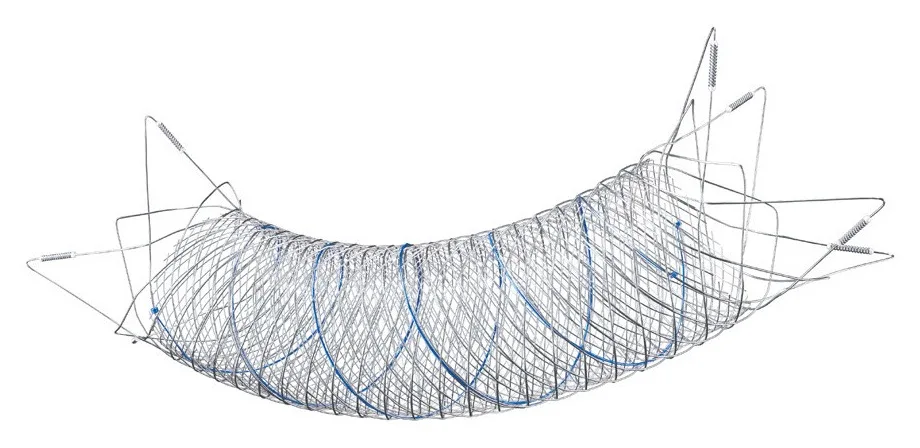
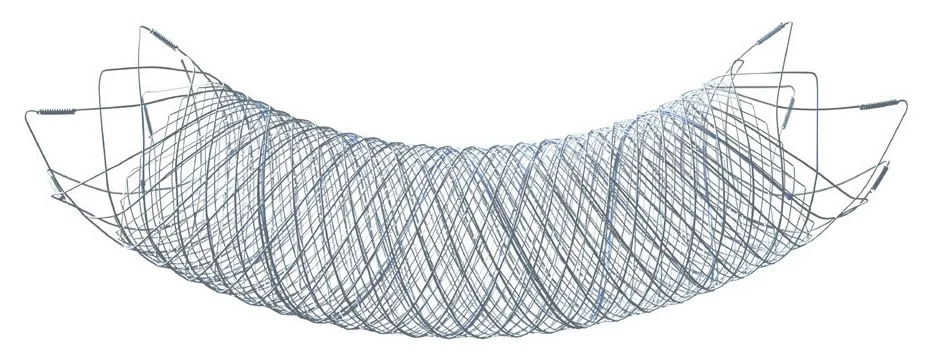
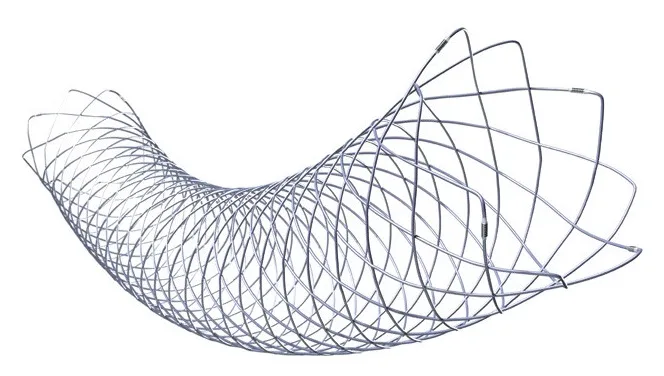
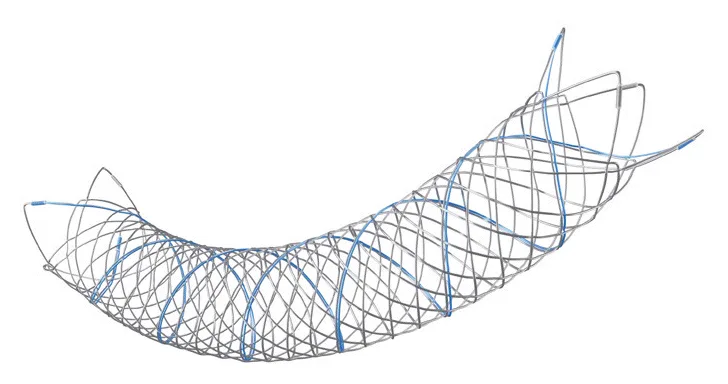
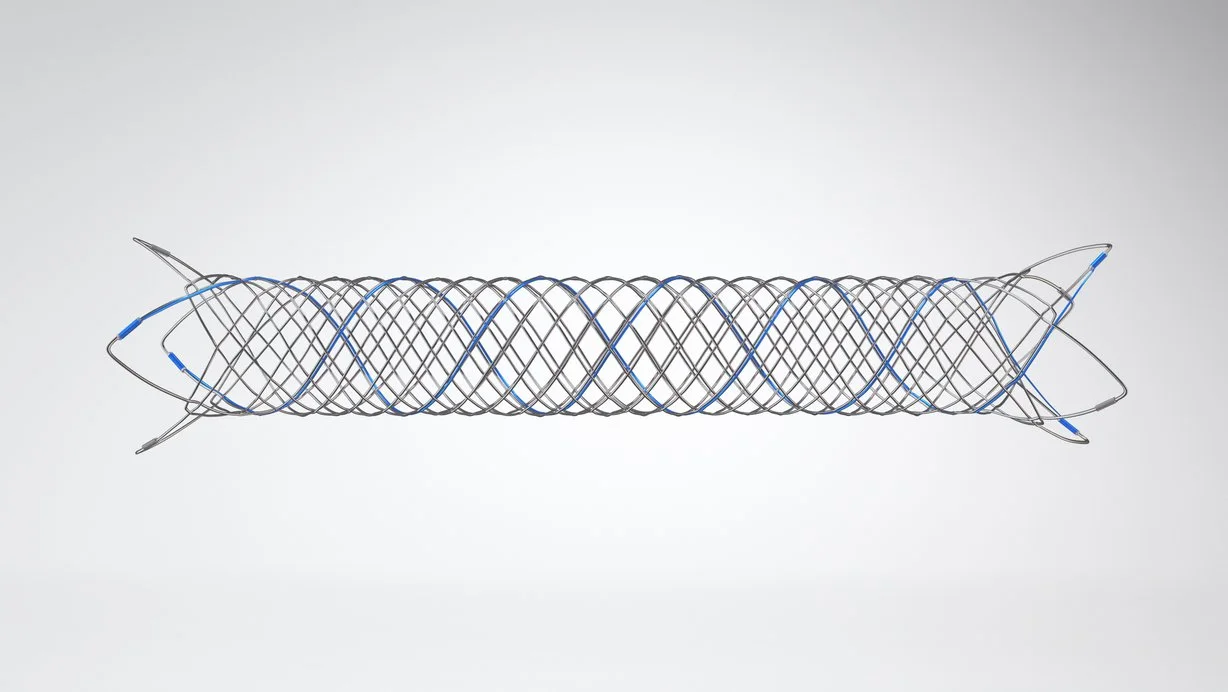
LVIS™ and LVIS™ Jr. devices are braided coil assist stents used for aneurysm embolization.
Control & Visibility
The braided construction allows physicians to control the stent deployment to achieve optimal placement. Radiopaque strands along the entire stent body allow physicians to visualize the stent expansion.
Conformance to Vessel Wall
The braided design allows individual wires to slide during deployment, allowing the stent to conform to the shape of the vessel, even in tortuous anatomies
Coil Mass Support
The high metal coverage and small pore size provide consistent support of coil mass including small finishing coils
Product Identification & Specifications
Reference identifiers for procurement, registration and tender documentation.
| Product Code | 212517-CAS |
|---|---|
| REF Numbers | 212517-CAS, 212525-CAS, 212912-CAS, 212917-CAS, 212922-CAS, 212928-CAS, 212931-CAS, 213015-CAS, 213025-CAS, 213041-CAS, 214035-CAS, 214049-CAS, 172010-CASJ, 172014-CASJ, 172020-CASJ, 172032-CASJ, 172516-CASJ, 172524-CASJ, 172530-CASJ, 172537-CASJ |
| Manufacturer | Terumo Neuro (MicroVention, Inc.) |
| Brand | Terumo Neuro (MicroVention) |
| Product Family | Flow Diversion & Stents |
| Country Availability | Azerbaijan |
Clinical Applications
The LVIS™ & LVIS™ Jr is a intracranial stent in the Flow Diversion & Stents family from Terumo Neuro (MicroVention, Inc.), used by interventional specialists in procedures where a intracranial stent of this class is indicated. It is supplied in 20 configurations (catalog codes 212517-CAS through 172537-CASJ) to match anatomical and procedural requirements.
For the complete indications for use, contraindications and instructions for use (IFU), request the official Terumo Neuro (MicroVention) documentation through our clinical team. Azmed Devices supplies the LVIS™ & LVIS™ Jr to hospitals and clinics across Azerbaijan.
Ordering Information
Catalog reference codes as published by Terumo Neuro (MicroVention). Contact us to confirm current availability.
| Catalog # | Product Line | Diameter × Total Length (mm) | Working Length / Total Length by Target Vessel (mm) |
|---|---|---|---|
| 212517-CAS | LVIS | 3.5 x 17 | 2.5mm: 23/19 · 3.0mm: 20/16 · 3.5mm: 17/13 |
| 212525-CAS | LVIS | 3.5 x 22 | 2.5mm: 32/28 · 3.0mm: 27/23 · 3.5mm: 22/18 |
| 212912-CAS | LVIS | 4.0 x 12 | 2.5mm: 16/12 · 3.0mm: 15/11 · 3.5mm: 14/10 · 4.0mm: 12/8 |
| 212917-CAS | LVIS | 4.0 x 17 | 2.5mm: 27/23 · 3.0mm: 24/20 · 3.5mm: 21/17 · 4.0mm: 17/13 |
| 212922-CAS | LVIS | 4.0 x 22 | 2.5mm: 37/33 · 3.0mm: 34/30 · 3.5mm: 29/25 · 4.0mm: 22/18 |
| 212928-CAS | LVIS | 4.0 x 28 | 2.5mm: 48/44 · 3.0mm: 43/39 · 3.5mm: 37/33 · 4.0mm: 28/24 |
| 212931-CAS | LVIS | 4.0 x 31 | 2.5mm: 54/50 · 3.0mm: 48/44 · 3.5mm: 41/37 · 4.0mm: 31/27 |
| 213015-CAS | LVIS | 4.5 x 18 | 3.0mm: 28/24 · 3.5mm: 26/22 · 4.0mm: 22/18 · 4.5mm: 18/14 |
| 213025-CAS | LVIS | 4.5 x 23 | 3.0mm: 40/36 · 3.5mm: 36/32 · 4.0mm: 31/27 · 4.5mm: 23/19 |
| 213041-CAS | LVIS | 4.5 x 32 | 3.0mm: 57/53 · 3.5mm: 52/48 · 4.0mm: 44/40 · 4.5mm: 32/28 |
| 214035-CAS | LVIS | 5.5 x 30 | 4.0mm: 51/47 · 4.5mm: 45/41 · 5.0mm: 39/35 · 5.5mm: 30/26 |
| 214049-CAS | LVIS | 5.5 x 33 | 4.0mm: 58/54 · 4.5mm: 51/47 · 5.0mm: 43/39 · 5.5mm: 33/29 |
| 172010-CASJ | LVIS Jr | 2.5 x 13 | 2.0mm: 14/10 · 2.5mm: 13/9 |
| 172014-CASJ | LVIS Jr | 2.5 x 17 | 2.0mm: 18/14 · 2.5mm: 17/13 |
| 172020-CASJ | LVIS Jr | 2.5 x 23 | 2.0mm: 24/20 · 2.5mm: 23/19 |
| 172032-CASJ | LVIS Jr | 2.5 x 34 | 2.0mm: 36/32 · 2.5mm: 34/30 |
| 172516-CASJ | LVIS Jr | 3.5 x 18 | 2.5mm: 20/16 · 3.0mm: 19/15 · 3.5mm: 18/14 |
| 172524-CASJ | LVIS Jr | 3.5 x 23 | 2.5mm: 27/23 · 3.0mm: 25/21 · 3.5mm: 23/19 |
| 172530-CASJ | LVIS Jr | 3.5 x 28 | 2.5mm: 34/30 · 3.0mm: 32/28 · 3.5mm: 28/24 |
| 172537-CASJ | LVIS Jr | 3.5 x 33 | 2.5mm: 40/36 · 3.0mm: 37/33 · 3.5mm: 33/29 |
Downloads & Documentation
Instructions for use (IFU), technical datasheets and clinical literature for the LVIS™ & LVIS™ Jr are available on request from our clinical team.
Request DocumentationFrequently Asked Questions
- What is LVIS™ and what is it used for?
- LVIS™ (Low-profile Visualized Intraluminal Support) is a braided, fully radiopaque intracranial stent used to assist coil embolization of wide-neck aneurysms. It scaffolds the aneurysm neck from the parent artery, preventing coil loops from herniating into the vessel during packing and enabling higher final coil fill densities. Its high metallic surface area also contributes a mild flow diversion effect that supplements progressive aneurysm thrombosis.
- What is the difference between LVIS™ and LVIS™ Jr?
- LVIS covers nominal diameters 3.5–5.5 mm for standard-calibre intracranial vessels, delivered via Headway 17 or 21. LVIS Jr covers 2.5–3.5 mm nominal diameters for smaller intracranial vessels (parent artery ≥2.0 mm), also delivered via Headway 17 or 21. LVIS Jr uses the same braided closed-cell construction and full-length radiopacity as standard LVIS.
- What catalog numbers does LVIS™ come in?
- LVIS standard: 212517-CAS through 214049-CAS (3.5–5.5 mm × 12–32 mm working length). LVIS Jr: 172010-CASJ through 172537-CASJ (2.5–3.5 mm × 13–33 mm working length). Both lines are delivered via Headway 17 (for smaller sizes) or Headway 21.
- Does LVIS™ require antiplatelet therapy?
- Yes. As an intracranial stent, LVIS requires dual antiplatelet therapy (DAPT) — typically aspirin plus clopidogrel — started 3–5 days before the procedure and continued for 3–6 months post-procedure, transitioning to single antiplatelet thereafter. This antiplatelet requirement distinguishes stent-assisted coiling with LVIS from purely intrasaccular approaches like WEB SL that generally do not require long-term DAPT.
- What is the difference between LVIS™ and LVIS™ EVO?
- LVIS EVO is a newer, lower-profile stent with even closer matched delivery and deployment diameters for improved navigability in tortuous anatomy. It covers nominal diameters 2.5–4.0 mm. Both LVIS and LVIS EVO use braided construction and full-length radiopacity; LVIS EVO is preferred when delivery forces must be minimized in technically challenging access routes.