Insights & News.
Educational resources, clinical updates, company announcements, and official Ministry of Health updates -- all in one place.

ASAHI SION® Blue: Clinical Profile, Specifications and the SION Family Compared
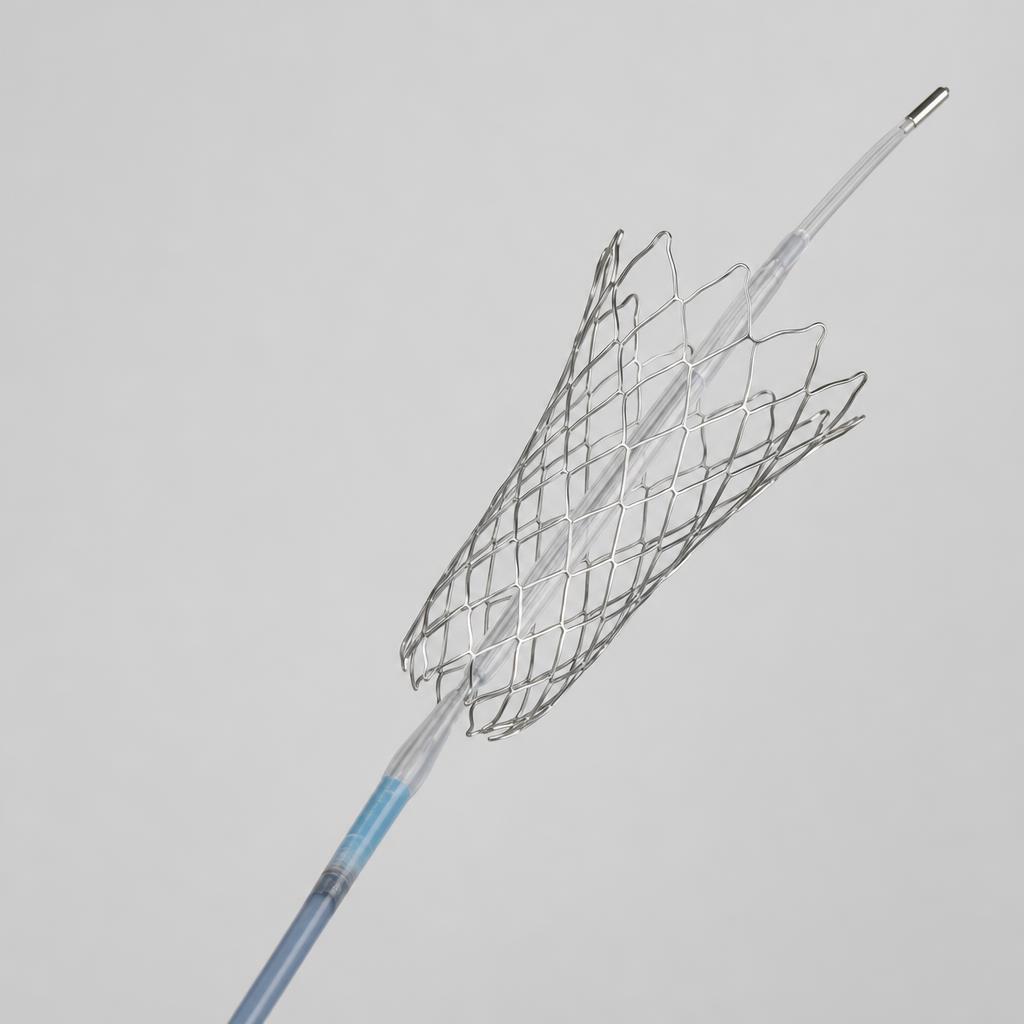
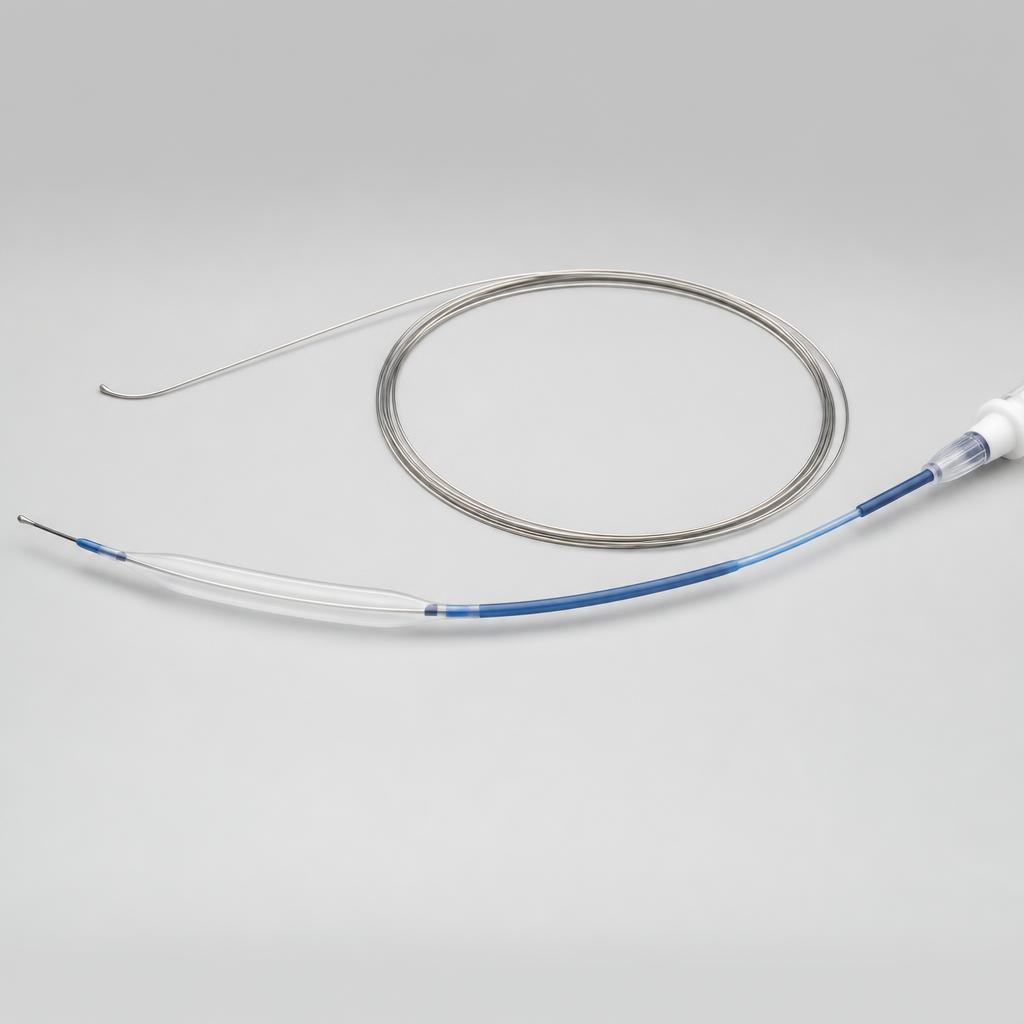
ASAHI SION® Blue is the softest-tip member of Asahi Intecc's flagship coronary guidewire family, engineered specifically for atraumatic side-branch access and tortuous distal wiring. This guide covers the ACT ONE platform, the technical differences between SION, SION Blue and SION Black, key specifications, catalog numbers, and the clinical scenarios where each wire is the preferred choice.
Read Article
ASAHI SION® Guidewire: The Benchmark Coronary Frontline Wire Explained
The ASAHI SION® remains the most widely cited frontline coronary guidewire in the PCI literature — this clinical guide covers its ACT ONE construction, tip-load specifications, catalog variants, and practical technique tips for interventional cardiologists.

ASAHI SION® black Guidewire: When to Step Up from the Standard SION
ASAHI SION® black is the firmest member of the SION family, combining a 0.8 gf tip load with a polymer-jacketed distal shaft for superior pushability — this guide explains when to choose it over standard SION and how its unique pre-shape tip option changes procedural technique.

Fielder® XT Guidewire: The Primary CTO Microchannel Probing Wire
Fielder® XT is the standard first-line CTO guidewire after frontline failure, featuring a tapered 0.009/0.014-inch tip and full-length polymer + hydrophilic coating for microchannel probing — this guide explains its construction, clinical role, and how it fits into the CTO escalation algorithm.

Fielder® XT-A and XT-R Guidewires: Optimised CTO Advancement and Re-entry
Fielder® XT-A and XT-R are targeted CTO guidewires — XT-A delivers enhanced shaft pushability once a microchannel is identified, while XT-R’s softer 0.6 gf tip facilitates subintimal re-entry into the true lumen — both sharing the tapered 0.010/0.014-inch tip profile of the Fielder family.

Fielder® FC Guidewire: Polymer-Jacketed Frontline Wire for Tortuous Coronary Anatomy
Fielder® FC bridges the gap between standard frontline coronary wires and CTO-specific tools, offering a polymer-jacketed 0.014-inch shaft with 0.8 gf tip load for smooth navigation through tortuous or angulated coronary anatomy where standard SION may encounter friction.

ASAHI Gaia®: True 1:1 Torque Delivery for CTO Crossing
The ASAHI Gaia® — Gaia First, Second, and Third — introduced rotating-core composite construction to CTO guidewires, delivering genuine 1:1 torque transmission under high tip loads and setting a new standard for controlled CTO cap penetration after Fielder XT failure.

ASAHI Gaia Next®: Second-Generation Rotating-Core CTO Wires with Upward-Calibrated Tip Loads
The ASAHI Gaia Next® — Next 1 (2 gf), Next 2 (4 gf), Next 3 (6 gf) — builds on the rotating-core platform of the original Gaia with recalibrated tip loads and an important bridge between Gaia Third and Confianza Pro for intermediate-hardness CTO caps.

ASAHI ULTIMATEbros3 Guidewire: Bridging the Gap in CTO Wire Escalation
ASAHI ULTIMATEbros3 occupies a distinct niche in the CTO wire escalation ladder with its 3 gf tip load and uncoated ball tip, providing penetrating force between Fielder XT and the Gaia series while maintaining tactile feedback for fibrous and moderately calcified cap assessment.

MIRACLEbros® Series: Classic Tiered Penetration Wires for CTO Crossing
The MIRACLEbros® series — 3 gf, 6 gf, and 12 gf — provides a classic stepped tip-load escalation approach for CTO crossing with silicone coating for direct tactile feedback, remaining a valued alternative for operators who prefer silicone-coated penetration wires over polymer-jacketed options.

ASAHI Conquest Pro/Confianza Pro: High Tip-Load Needle-Tip Wires for Calcified CTO Caps
Confianza® Pro (9 gf) and Confianza® Pro 12 (12 gf) are Asahi Intecc’s highest tip-load penetration wires, combining a tapered 0.009/0.014-inch needle tip with an uncoated ball tip design to penetrate calcified CTO caps that resist all rotating-core wire escalation.

Grand Slam®: High-Support Rail Wire for Complex Device Delivery
Grand Slam® is a stiff-shaft support coronary guidewire designed to serve as a delivery rail for balloons and stents in severely tortuous or calcified vessels, providing the guidewire backbone required when standard workhorse wires offer insufficient support for device advancement.

Rinato/PROWATER: Full-Length Hydrophilic Frontline Coronary Guidewire
Rinato/PROWATER is a classic full-length hydrophilic coronary guidewire providing consistent low-friction advancement in complex coronary anatomy — a foundational workhorse wire that preceded the SION family and remains in active use for smooth navigation in tortuous or diffusely diseased vessels.

Route/PROWATERflex: Flexible Full-Hydrophilic Wire for Distal Coronary Navigation
Route/PROWATERflex combines PROWATER’s full-length hydrophilic coating with a softer, more flexible shaft for navigating very distal, small-calibre, or severely tortuous coronary segments where the standard PROWATER shaft is too rigid for safe atraumatic advancement.

ASAHI Corsair® Pro: The Gold-Standard CTO Microcatheter for Wire Support and Crossing
ASAHI Corsair® Pro is the world’s most widely used CTO microcatheter, combining a rotatable braided shaft with hydrophilic coating to drill through fibrous occlusions, support guidewire crossing, and enable rapid wire exchange — an essential tool for any centre performing CTO PCI.

ASAHI Corsair® Pro XS: Lower-Profile Rotatable Microcatheter for Tight CTO Caps and Septal Channels
ASAHI Corsair® Pro XS delivers the same rotatable braided-shaft drilling function as Corsair Pro in a reduced 2.1F distal profile, enabling advancement through proximal caps and septal collateral channels that are too tight for the standard Corsair Pro.

ASAHI Caravel®: Slender Microcatheter for Small Vessels, Septal Channels, and Distal Wiring
ASAHI Caravel® is a 1.4F/1.9F slender microcatheter designed for small coronary vessels, tortuous septal collateral channels, and distal wiring support where the Corsair Pro family is too large, providing smooth wire exchange and tip support in anatomy inaccessible to standard microcatheters.

ASAHI SASUKE®: Ultra-Low-Profile Microcatheter for Extreme CTO Proximal Cap Penetration
ASAHI SASUKE® is an ultra-low-profile microcatheter with 1.5F tip and 0.016-inch inner diameter, designed for the most challenging CTO proximal caps where Corsair Pro XS cannot advance, working in tandem with Confianza Pro and Gaia wires to enable crossing of the toughest calcified occlusions.

Tornus®: Stainless-Steel Coil Microcatheter for Mechanical Fibrocalcific CTO Drilling
Tornus® is a stainless-steel coil microcatheter that mechanically drills through fibrocalcific CTO segments when balloons cannot advance after wire crossing, using clockwise rotation to advance and counterclockwise to retract in a unique corkscrew-like motion through calcified occlusion tissue.

ASAHI CHIKAI®: The Primary 0.014-inch Neurovascular Microguidewire
ASAHI CHIKAI® is the foundational 0.014-inch neurovascular microguidewire from Asahi Intecc, providing a 170 cm hydrophilic coating and steerable tip for intracranial navigation during aneurysm coiling, AVM embolization, and intracranial stent and flow diverter delivery.

ASAHI CHIKAI® black: Enhanced Pushability for Tortuous Intracranial Navigation
ASAHI CHIKAI® black adds a 150 cm polymer jacket to the standard CHIKAI neurovascular microguidewire platform, providing greater microcatheter push support through tortuous intracranial anatomy while retaining the 0.014-inch profile and Headway microcatheter compatibility.

ASAHI CHIKAI® 10: Standardised 0.014-inch Neuronavigation Wire for Coiling, Stenting, and Flow Diversion
ASAHI CHIKAI® 10 is the ‘10’ product line designation of the standard 0.014-inch CHIKAI neurovascular system, providing the core steerable microguidewire compatible with the full Headway microcatheter family for coiling, intracranial stenting, and flow diverter delivery across routine and complex neurointerventional cases.

ASAHI CHIKAI® X 010: Ultra-Fine 0.010 in Neurovascular Microguidewire for Distal Intracranial Navigation
The ASAHI CHIKAI® X 010 is a 0.010 in outer-diameter neurovascular microguidewire engineered for safe navigation in M2, M3, and other distal intracranial vessels too small or too spasm-prone for a standard 0.014 in wire, retaining the full SLIP-COAT hydrophilic coating and shapeable soft tip of the CHIKAI platform at a diameter 30% finer.

ASAHI Gladius® 0.014: Polymer-Jacketed Peripheral Guidewire from Simple Stenosis to Occluded Lesions
The ASAHI Gladius® 0.014 is a polymer-jacketed 0.014 in peripheral guidewire with a 3.0 gf tip — a soft wire built to treat a broad range of cases from simple stenosis to occluded lesions, with ACT ONE core retention and a balanced support shaft for tortuous vessels and crossover approaches.

ASAHI FUBUKI®: High-Performance Neurovascular Guide Catheter Platform for Stable Procedural Support
The ASAHI FUBUKI® is a high-performance line of neurovascular guide catheters in 6, 7 and 8 Fr — a stable platform for neurointerventional procedures, pairing a soft atraumatic tip and flexible distal shaft with a well-balanced rigid proximal shaft, hydrophilic coating and full-length radiopacity.

ASAHI Gladius® 0.018: Enhanced Device-Delivery Peripheral Guidewire with Shaft Support and Maneuverability
The ASAHI Gladius® 0.018 is a polymer-jacketed 0.018 in peripheral guidewire with a 4.0 gf tip — the enhanced device-delivery member of the Gladius line, combining great shaft support and maneuverability with soft-wire versatility from simple stenosis to occluded lesions.

Astato® XS: High Tip-Load Peripheral CTO Guidewire in 20 gf and 40 gf Variants
Asahi’s Astato XS pairs a tapered, uncoated ball tip with two tip-load variations — 20 gf and 40 gf — so peripheral CTO operators can escalate penetration force without changing wire platform.

ASAHI Corsair® ARMET: Retrograde Microcatheter for CTO PCI Septal and Epicardial Collateral Navigation
The ASAHI Corsair® ARMET is a dedicated retrograde CTO PCI microcatheter optimised for navigation through septal and epicardial collateral channels, offering enhanced flexibility and lower profile than the standard Corsair Pro to safely traverse the tight tortuous anatomy of retrograde collateral channels while maintaining the rotatable braided shaft function.

Cosmos™ Bare-Platinum Coils: Framing and Filling for Cerebral Aneurysm Embolization
The Cosmos™ coil family from MicroVention Terumo is a premium bare-platinum detachable coil line for cerebral aneurysm embolization, available as Cosmos 10 (0.010 in wire, fine filling) and Cosmos 18 (0.018 in wire, framing), covering aneurysm diameters from 2 mm to 24 mm via Headway 17 microcatheter delivery.

HydroSoft™ and HydroFrame®: Hydrogel-Coated Coils for Enhanced Packing Density in Aneurysm Embolization
HydroSoft™ and HydroFrame® from MicroVention Terumo are hydrogel-coated platinum coils that swell 2–4× their initial volume in blood, increasing volumetric packing density and reducing aneurysm recanalization compared to bare-platinum coils, with the HELPS randomised trial demonstrating improved 12-month occlusion outcomes.

VFC® Volume Filling Coils: Maximising Aneurysm Packing Density in the Filling Phase
VFC® (Volume Filling Coil) from MicroVention Terumo is a soft bare-platinum coil designed to maximise volumetric occlusion during the filling phase of cerebral aneurysm embolization, conforming to available void space with minimal mass effect while complementing framing coils from the Cosmos and HydroFrame families.

HyperSoft® 3D: Ultra-Soft Three-Dimensional Finishing Coil for Final Aneurysm Packing
The HyperSoft® 3D from MicroVention Terumo is an ultra-soft three-dimensional bare-platinum coil with the lowest packing modulus in the MicroVention Terumo coil range, used as the final finishing coil for conforming to irregularly shaped residual void spaces in cerebral aneurysm embolization with minimal risk of coil herniation.

HyperSoft® Helical: Ultra-Soft Helical Finishing Coil for Final Aneurysm Void Filling
The HyperSoft® Helical from MicroVention Terumo is an ultra-soft helical bare-platinum finishing coil that complements the HyperSoft 3D by providing efficient filling of more uniform residual void geometries in cerebral aneurysm embolization, using a simple helix shape to achieve maximum coil density in the final packing phase.

HydroFill®: Hydrogel Filling Coil Combining Volume Expansion with Ultra-Soft Platinum Construction
HydroFill® from MicroVention Terumo combines the hydrogel volume-expansion mechanism of HydroSoft with the filling-coil role of ultra-soft platinum coils, expanding 2–4× after deployment in blood to fill residual void space in cerebral aneurysm embolization where both softness and volume expansion are priorities in the final packing phase.

WEB™ SL: Intrasaccular Flow Disruptor for Wide-Neck Bifurcation Aneurysms Without DAPT
The WEB™ SL (Single Layer) from MicroVention Terumo is an intrasaccular woven nitinol mesh flow disruptor for wide-neck bifurcation aneurysms at the MCA, AComA, ACA, and basilar apex, deployed entirely within the aneurysm sac without parent-artery stenting and without requiring long-term dual antiplatelet therapy, with outcomes validated in WEBCAST, WEB-IT, and WEBCAST 2.

WEB™ SLS: Spherical Single-Layer Flow Disruptor for Symmetrical Bifurcation Aneurysms
The WEB™ SLS (Single Layer Spherical) from MicroVention Terumo is the spherical variant of the WEB intrasaccular device, sized by a single measurement for aneurysms where width equals height, simplifying device selection for symmetrically shaped wide-neck bifurcation aneurysms.

V-Grip®: WEB Device Delivery, Repositioning, and Retrieval System
The V-Grip® from MicroVention Terumo is the delivery and repositioning handle for WEB SL and WEB SLS intrasaccular devices, enabling controlled intrasaccular placement, one-handed resheathing for repositioning, and precision pre-detachment positioning before electrolytic release with the WEB Detachment Controller.

WEB™ Detachment Controller: Electrolytic Release System for Controlled WEB Device Detachment
The WEB™ Detachment Controller from MicroVention Terumo is a single-use electrolytic detachment controller that provides controlled, confirmed electrolytic release of WEB SL and WEB SLS devices after final positioning, with impedance-change feedback that confirms detachment and eliminates ambiguity about whether the device is detached.

FRED™ Flow Diverter: Dual-Layer Flow Diversion for Large and Giant Cerebral Aneurysms
The FRED™ (Flow Re-Direction Endoluminal Device) from MicroVention Terumo is a dual-layer flow diverter combining an outer low-density scaffold with an inner high-density mesh for large and giant cerebral aneurysms, delivered via Headway 27 microcatheter in parent artery diameters from 3.5 to 5.5 mm, with DAPT required post-procedure.

FRED™ X Flow Diverter: Next-Generation Dual-Layer Flow Diversion with X Technology Surface Treatment
The FRED™ X is the current-generation MicroVention Terumo flow diverter incorporating X Technology nanoscale surface treatment that reduces thrombogenicity, extends coverage to 2.5 mm vessels via System 21, and reduces delivery and resheathing forces compared to the original FRED, with System 27 covering 3.5–5.5 mm parent arteries via Headway 27.

LVIS™ and LVIS™ Jr: Fully Radiopaque Braided Stents for Stent-Assisted Aneurysm Coiling
The LVIS™ (Low-Profile Visualized Intraluminal Support) and LVIS™ Jr from MicroVention Terumo are fully radiopaque braided closed-cell nitinol stents for stent-assisted coil embolization of wide-neck intracranial aneurysms, with LVIS covering 3.5–5.5 mm vessels via Headway 21 and LVIS Jr extending treatment to 2.0–3.5 mm vessels via Headway 17.

LVIS™ EVO: Next-Generation Low-Profile Intraluminal Support Stent with Reduced Delivery Forces
The LVIS™ EVO from MicroVention Terumo refines the proven LVIS platform with closer delivery-to-deployment diameter matching and significantly reduced delivery forces, making it the preferred intracranial stent for tortuous access routes and parent arteries from 2.5 to 4.0 mm via Headway 17 or 21 microcatheter.

FRED™ Jr: Small-Vessel Flow Diverter for Distal ICA and MCA Aneurysms
The FRED™ Jr from MicroVention Terumo extends flow diversion therapy to parent arteries as small as 2.0 mm, delivered via Headway 17 microcatheter, enabling treatment of distal ICA, MCA M1, and other small-vessel aneurysms that are anatomically too distal or narrow for the standard FRED or FRED X System 27.

SOFIA™ Distal Access Catheter: The Workhorse Intermediate Catheter for Neurointerventional Practice
The SOFIA™ from MicroVention Terumo is a soft torqueable intermediate catheter available in 5F (0.055 in ID) and 6F (0.070 in ID) that functions as both a triaxial support platform for device delivery and as a direct aspiration catheter in the ADAPT stroke thrombectomy technique.

SOFIA™ 88 Aspiration Catheter: Maximum-Bore Intracranial Aspiration for Large-Vessel Stroke
The SOFIA™ 88 is the largest-lumen SOFIA variant, with a 0.088 in inner diameter 8F distal access catheter for high-flow aspiration thrombectomy in ICA and MCA M1 large-vessel occlusions, and is the preferred SOFIA platform for SOLUMBRA combined aspiration and ERIC stent-retriever technique.

SOFIA™ EX: Matched-Profile Intracranial Support Catheter for Reduced Inter-Catheter Friction
The SOFIA™ EX is a matched-profile intracranial support catheter engineered to minimise catheter-to-catheter friction in complex triaxial neurointerventional setups, available as ISC5105ST (5F, 105 cm) and ISC5115ST (5F, 115 cm) with the same 0.055 in lumen as standard SOFIA 5F.

SOFIA™ Plus: Extended-Reach 6F Intermediate Catheter for Tall Patients and Vertebrobasilar Access
The SOFIA™ Plus extends the proven SOFIA 6F in 125 cm (DA6125ST) and 131 cm (DA6131ST) working lengths, maintaining the 0.070 in inner diameter and full ADAPT and SOLUMBRA capability while providing the additional reach for tall patients, high ICA takeoffs, tortuous arches, and vertebrobasilar occlusions.

Headway™ Microcatheter Family: Complete Guide to MicroVention’s Four Intracranial Microcatheters
The Headway™ family from MicroVention Terumo covers every neurointerventional application with four braided models — DUO (0.0165 in for PHIL), 17 Advanced (0.017 in for coiling and LVIS Jr), 21 (0.021 in for LVIS and LVIS EVO), and 27 (0.027 in for FRED and WEB) — each available in four tip shapes.

VIA™ Microcatheter Family: Purpose-Built WEB Delivery Catheters for Intrasaccular Flow Disruption
The VIA™ microcatheter family from MicroVention Terumo includes four size-matched models — VIA 17, 21, 27, and 33 — each sized specifically for WEB SL and WEB SLS device delivery, enabling accurate intrasaccular deployment for wide-neck bifurcation aneurysm treatment without coils or stents.

Chaperon™ Balloon Guide Catheter: Proximal Flow Arrest for Optimal Stroke Thrombectomy Outcomes
The Chaperon™ from MicroVention Terumo is a balloon guide catheter that occludes the cervical ICA during mechanical thrombectomy, creating proximal flow arrest that prevents distal embolization of dislodged thrombus fragments during stent-retriever or aspiration clot extraction, independently associated with higher first-pass recanalization rates in published stroke literature.

BOBBY® Balloon Microcatheter: Temporary Neck Remodelling for Wide-Neck Aneurysm Coiling Without DAPT
BOBBY® from MicroVention Terumo is a compliant dual-lumen intracranial balloon microcatheter for balloon-assisted coil embolization of wide-neck aneurysms, enabling denser coil packing through temporary neck occlusion during each coil delivery without permanent stent placement and without the DAPT requirement of stent-assisted coiling.

ERIC™ Thrombectomy Device: Interlinked Spherical Cage Stent Retriever for LVO Acute Ischaemic Stroke
The ERIC™ from MicroVention Terumo features an interlinked spherical cage architecture in three sizes (3, 4, 6 mm) for large-vessel occlusion stroke, delivers through Headway 17, and achieves highest first-pass recanalization rates when combined with SOFIA or SOFIA 88 aspiration in SOLUMBRA technique.

EmPro™ Embolic Protection System: Distal Filter Protection During Carotid Artery Stenting
The EmPro™ from MicroVention Terumo is a self-expanding filter basket on a 190 cm guidewire for distal embolic protection during carotid artery stenting, available in small (3.0–4.5 mm) and large (4.5–6.5 mm) vessel configurations and guideline-recommended as standard care during CAS.

WEDGE™ Microcatheter: Distal Bulb Navigation Aid for SOFIA Advancement Through Tortuous Intracranial Anatomy
The WEDGE™ from MicroVention Terumo is a 0.021 in intracranial microcatheter with an inflatable distal bulb that anchors against the vessel wall to provide forward push support for SOFIA 6F catheter advancement past tight tortuous intracranial segments that resist conventional wire-based advancement techniques.

Scepter™ C Balloon Microcatheter: Compliant Intracranial Balloon for Remodelling, PHIL Delivery, and Test Occlusion
The Scepter™ C from MicroVention Terumo is a compliant dual-lumen balloon microcatheter with a 0.027 in working lumen in 4 mm and 7 mm diameters, used for balloon-assisted coil embolization of wide-neck aneurysms, selective vessel flow arrest during PHIL liquid embolic delivery, and intracranial test occlusion procedures.

Scepter™ XC: Extra-Compliant Balloon Microcatheter for Wide-Neck and Variable-Diameter Intracranial Vessels
The Scepter™ XC is the extra-compliant variant of the MicroVention Terumo Scepter family, providing higher balloon compliance for conformance to wider aneurysm neck geometries and variable parent artery diameters from a single device, with the same 0.027 in dual-lumen working channel as Scepter C.

Scepter™ Mini: Small-Vessel Balloon Microcatheter for Distal Intracranial Aneurysms and Sub-3 mm Vessels
The Scepter™ Mini extends the MicroVention Terumo Scepter balloon microcatheter family to intracranial vessels ≤3 mm in diameter, enabling balloon-assisted coiling and selective embolization in M2, distal ACA, PICA, and other small-calibre vessels where standard Scepter C would create dangerous over-distension.

CASPER™ Carotid Stent: Dual-Layer Micromesh Technology for Plaque-Prolapse Prevention in CAS
The CASPER™ from MicroVention Terumo features a dual-layer architecture — outer nitinol scaffold plus inner micromesh liner — that physically blocks plaque prolapse through stent struts during carotid artery stenting, reducing the primary embolic stroke mechanism of CAS with clinical validation from the CRISTAL randomised trial.

PHIL® Liquid Embolic: Non-Adhesive Precipitating Agent for AVM, DAVF, and Tumour Embolization
PHIL® (Precipitating Hydrophobic Injectable Liquid) from MicroVention Terumo is a non-adhesive EVOH copolymer liquid embolic available in low, medium, and high viscosities with selectable radiopacity, for AVM, DAVF, and tumour embolization via the Headway DUO dual-marker microcatheter, with retrievable catheter design eliminating the gluing risk of cyanoacrylate agents.

Traxcess® 14: Standard 0.014 in Neurovascular Guidewire for General Intracranial Navigation
The Traxcess® 14 from MicroVention Terumo is the standard 0.014 in neurovascular microguidewire for all-purpose intracranial navigation and device delivery, compatible with the complete Headway and VIA microcatheter families, with a 200 cm working length, platinum-alloy radiopaque tip, and hydrophilic-coated shaft.

Traxcess® Select: Steerable 0.014 in Neurovascular Wire for Superselective Intracranial Vessel Access
The Traxcess® Select from MicroVention Terumo is a steerable 0.014 in neurovascular guidewire with enhanced tip-shape retention for superselective access to acutely angled vessel origins and bifurcations, compatible with the complete Headway 17/21/27 microcatheter family.

Traxcess® Docking: In-Situ Wire Extension System for Microcatheter Exchange Without Losing Wire Position
The Traxcess® Docking from MicroVention Terumo is a 0.014 in neurovascular guidewire with an integrated docking connector that accepts an extension segment, enabling microcatheter exchange to exchange-length without removing the distal intracranial wire, preserving vessel access during stent-then-coil sequences, Y-stenting, and multi-pedicle AVM embolization.

Traxcess® 7 Mini: Ultra-Fine 0.007 in Guidewire for Extreme Distal Intracranial Navigation Beyond M3/A3
The Traxcess® 7 Mini from MicroVention Terumo is an ultra-fine 0.007 in outer-diameter neurovascular guidewire for distal intracranial navigation in vessels too small for 0.010 in or 0.014 in wires, enabling extreme distal access beyond M3/A3 territory for distal AVM embolization, peripheral aneurysm treatment, and ultra-distal AVM feeder catheterization.

ASAHI Gladius® EX: The Middle-Weight Non-Tapered Polymer-Jacketed Wire That Broadens Coronary CTO Strategy
Gladius EX sets a new standard of middle-weight, non-tapered polymer-jacketed CTO guidewires — more directional authority than soft tapered polymer wires, controlled knuckle behaviour for subintimal tracking, and low-friction crossing through occlusion microchannels.

ASAHI Gladius® MG / MG ES: The Prolapse-Resistant Polymer-Jacketed Wire for Coronary CTO Crossing
Gladius MG adds a modified, prolapse-resistant core to the Gladius polymer platform — keeping the tip aligned with the penetration vector at resistant CTO caps where standard polymer-jacketed wires buckle and fold back on themselves.

ASAHI Extension®: The 165 cm Guidewire Extension for Device Exchange Without Losing Distal Wire Position
The ASAHI Extension docks onto any in-situ ASAHI PTCA guide wire, converting a standard 180 cm wire into an approximately 345 cm exchange-length system — preserving hard-won distal wire position through every over-the-wire device exchange.

SheathLess Eaucath®: Enabling Larger Guide Lumen Through Smaller Radial Punctures
SheathLess Eaucath® eliminates the introducer sheath for coronary guiding catheter insertion through the radial artery, reducing total arterial entry profile and enabling a larger inner guide lumen through the same puncture size.

ASAHI Hyperion®: High-Backup Support for Complex PCI Device Delivery
The ASAHI Hyperion® provides superior backup force to prevent guide catheter disengagement during complex PCI equipment delivery, combining flexible atraumatic tip design with the shaft rigidity required for high-back-up coronary support.

ASAHI Halberd®: High-Penetration Peripheral CTO Wire for Calcified Femoropopliteal and Tibial Occlusions
ASAHI Halberd® delivers focused high tip-load penetration through a tapered 0.014 in distal tip, designed for hard, calcified femoropopliteal and infrapopliteal CTO caps that resist standard peripheral CTO wires.

ASAHI Gaia® PV: Rotating-Core Tactile CTO Crossing Technology for Peripheral Vascular Intervention
Gaia PV translates the Gaia rotating-core composite wire technology from coronary CTO crossing into the peripheral vascular format, providing precise 1:1 torque and graduated tip loads for femoropopliteal and below-the-knee CTO crossing with tactile true-lumen feedback.

Treasure® 12: The First-Step CTO Escalation Wire for Fibrous and Moderately Calcified Peripheral Occlusions
Treasure 12’s 12 gf tip load positions it as the initial dedicated CTO escalation step in peripheral intervention — bridging the gap between frontline peripheral wires and the very high tip-load Astato family for fibrous and moderately resistant femoropopliteal occlusions.

Astato® 30: Standard-Profile 30 gf Peripheral CTO Wire for Highly Resistant Calcified Occlusions
Astato 30 delivers 30 gf tip load through a standard 0.014 in profile for operators who prefer standard wire handling characteristics in highly resistant femoropopliteal CTOs over the tapered XS tip geometry.

Regalia® XS 1.0: Ultra-Low Tip-Load Peripheral Wire for Small-Calibre Tibial and Pedal Vessel Access
Regalia XS 1.0 combines a 1.0 gf ultra-soft tip load with a reduced XS distal tip diameter for atraumatic access in the smallest-calibre tibial and pedal vessels during CLI diagnostic and interventional procedures.

ASAHI Gladius® MG14 PV / MG14 PV ES: MG-Platform CTO Wire for Peripheral Femoropopliteal and Infrapopliteal Occlusions
Gladius MG14 PV brings the MG composite core high-penetration platform to 0.014 in peripheral CTO crossing, providing focused tip-load penetration for fibrous and calcified femoropopliteal and tibial occlusions.

ASAHI Gladius® MG18 PV ES: MG CTO Platform in 0.018 in Peripheral Format for the 0.018 in Device System
Gladius MG18 PV ES brings the MG composite core CTO crossing platform to the 0.018 in peripheral wire format, providing high-penetration rotational crossing capability for operators using 0.018 in-compatible peripheral interventional systems.

SheathLess PV®: Sheathless Access for Peripheral Vascular Intervention
SheathLess PV® eliminates the introducer sheath for peripheral vascular guiding catheter insertion, reducing total arterial entry profile and enabling a larger-lumen guide through a smaller effective puncture for complex peripheral intervention.

ASAHI CHIKAI® V: Peripheral Vascular Adaptation of the CHIKAI Hydrophilic-Tip Platform for Infrainguinal Intervention
ASAHI CHIKAI® V extends the CHIKAI hydrophilic-tip guidewire platform from neurovascular use to peripheral vascular intervention, providing controlled low-friction navigation through diseased infrainguinal and below-the-knee peripheral arteries.

ASAHI Meister®: Torqueable, Shapeable, Trackable — Asahi’s 0.016 in IR Guidewire
A stainless-steel core that re-shapes at the table, ACT ONE 1:1 torque transmission and a long polymer jacket make Meister the natural wire companion to the Tellus and Veloute microcatheters.

ASAHI Masters PARKWAY® HF/KIT: High-Flow 0.027 in Microcatheter for Interventional Radiology
The high-flow member of the Masters PARKWAY line carries an exceptionally large 0.026/0.027 in lumen in a 2.6/2.8 Fr shaft — and the KIT version arrives pre-loaded with a 0.021 in guidewire.

ASAHI Masters PARKWAY® SOFT: Soft-Tip Microcatheter for Atraumatic Superselective Catheterization
A gentle distal tip on a 1.98/2.8 Fr shaft lets PARKWAY SOFT engage small, fragile target vessels atraumatically while its 0.020/0.022 in lumen delivers contrast and embolics at up to 1,000 psi.

ASAHI Veloute®: ‘More Selective, More Effective’ — the 1.7 Fr Distal-Selectivity Microcatheter
Veloute’s 0.58 mm (1.7 Fr) distal shaft, composite two-thickness braiding and gradual taper are all aimed at one goal: reaching further into small target vessels while keeping manual contrast injection smooth.

WHO delivers surgical and interventional equipment to Kabul hospitals
The World Health Organization supplied a new batch of surgical instruments, catheterisation lab consumables and monitoring devices to three major Kabul referral hospitals, supporting the expansion of elective and emergency interventional procedures in Afghanistan.

Cardiovascular intervention capacity expanding in Kabul
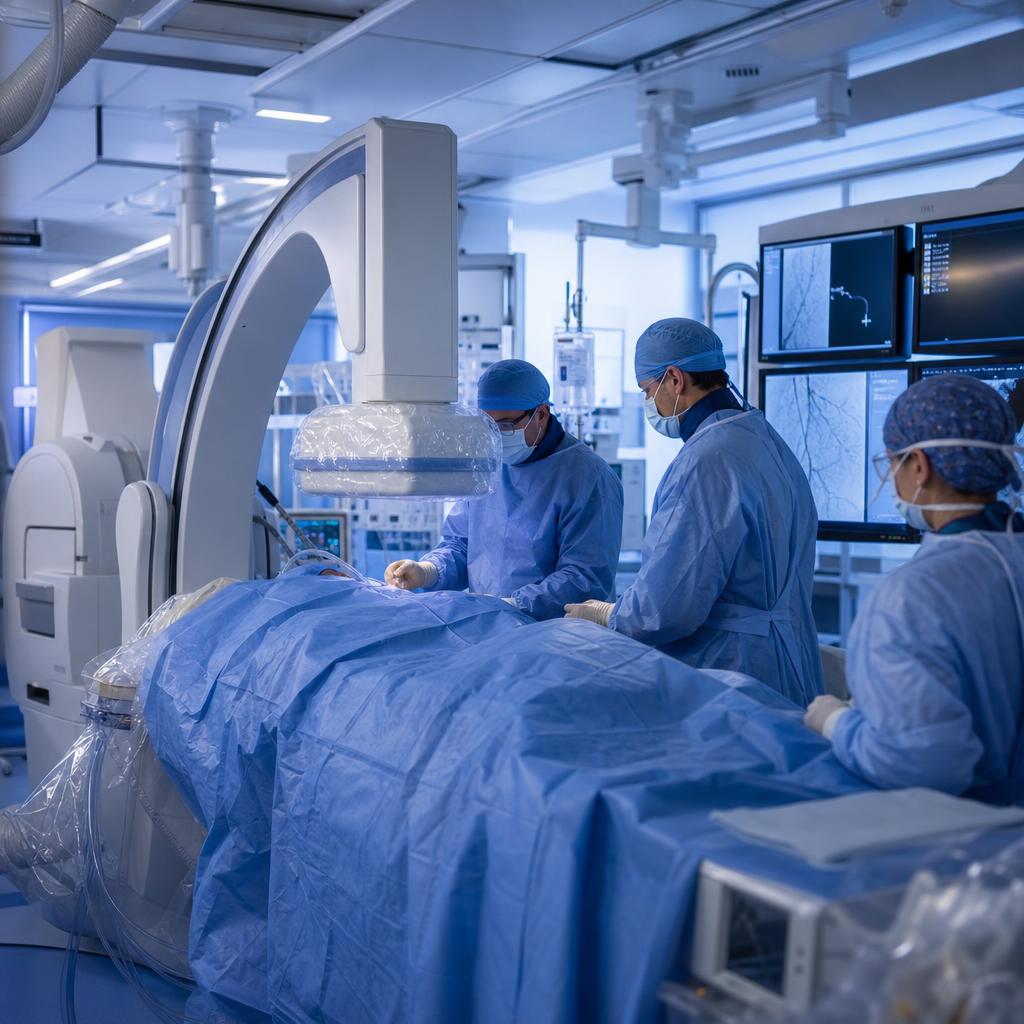
Afghan Cardiac Society and international partners are equipping Jamhuriat Hospital's catheterisation laboratory with updated guidewire and microcatheter technology, enabling a wider range of coronary and peripheral procedures for patients previously referred abroad.

UNICEF delivers 500+ medical devices to Tajikistan
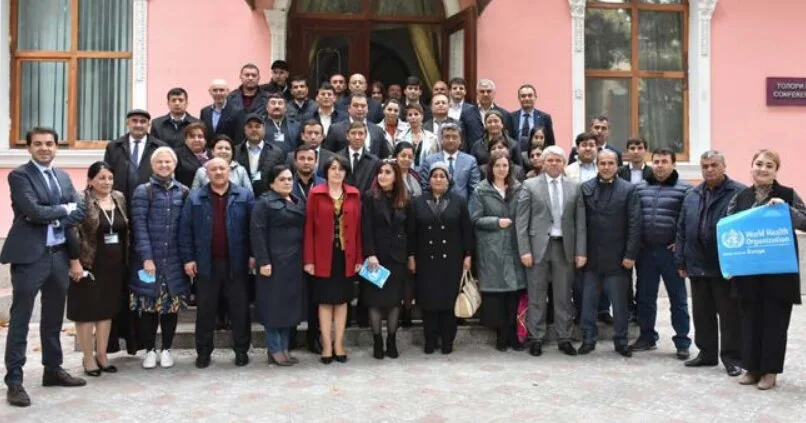
UNICEF transferred more than 500 units of medical equipment, including CPAP devices and oxygen concentrators, to the Ministry of Health. The equipment is being distributed to 73 healthcare facilities nationwide.

Tajikistan expands neonatal care capacity
New respiratory support equipment has been installed in maternity hospitals to improve neonatal intensive care and reduce infant mortality.

Afghanistan Ministry of Public Health launches medical device registry
The MoPH introduced a centralised registration system for imported medical devices, bringing Afghanistan's regulatory framework in line with regional standards and improving visibility over the devices circulating in public and private healthcare facilities.

Neurovascular intervention programme launched at Ali Abad Hospital
Ali Abad University Hospital in Kabul has established a dedicated neurovascular unit, introducing endovascular coiling and stent-assisted embolisation for cerebral aneurysm treatment — procedures that were previously unavailable within Afghanistan.

Healthcare financing reform pilot begins
A pilot healthcare financing reform has started in Sughd Region to improve procurement efficiency and hospital autonomy.

International NGOs deliver diagnostic equipment to Afghan provinces
A coalition of humanitarian organisations delivered ultrasound units, ECG machines and point-of-care diagnostic devices to provincial hospitals in Herat, Mazar-i-Sharif and Kandahar, extending diagnostic capability beyond the capital.

Government plans nationwide health reform
Following successful regional pilots, Tajikistan is preparing for nationwide implementation of universal healthcare financing reforms.

Primary healthcare infrastructure expansion
The national healthcare strategy includes construction of dozens of new rural health centers and modernization of existing clinics.

Medical device import routes into Afghanistan stabilised
Improved coordination between customs authorities, freight partners and healthcare procurement agencies has shortened delivery lead times for imported medical equipment, allowing hospitals to plan procurement more reliably.

Modern medical equipment procurement increasing
Government investments and international partners continue supporting procurement of advanced medical devices through international tenders.

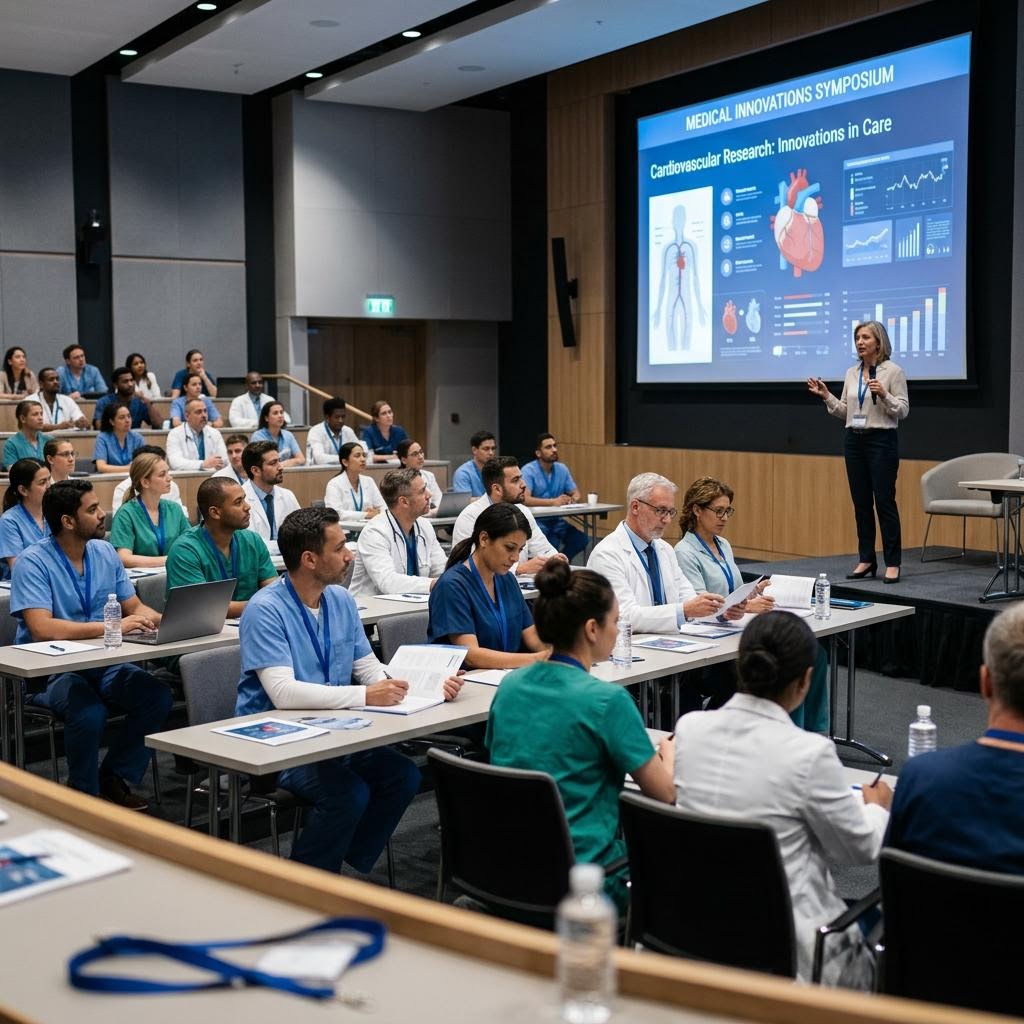
Interventional cardiology training programme for Afghan physicians
Fifteen Afghan cardiologists completed an intensive hands-on training course covering coronary guidewire techniques, balloon angioplasty and stent deployment, supported by international medical educators and device specialists.

WHO bolsters health system strengthening efforts in Afghanistan
The World Health Organization published its updated Afghanistan health system support framework, prioritising essential device procurement, laboratory capacity, emergency care infrastructure, and clinical workforce development through 2027.

WHO supports healthcare modernization
WHO continues supporting Tajikistan through governance reforms, procurement improvements and better access to essential medical services.

Infection prevention programs strengthened
Hospitals are introducing improved infection prevention standards and modern hygiene protocols with international support.

New clinical guidelines for primary care
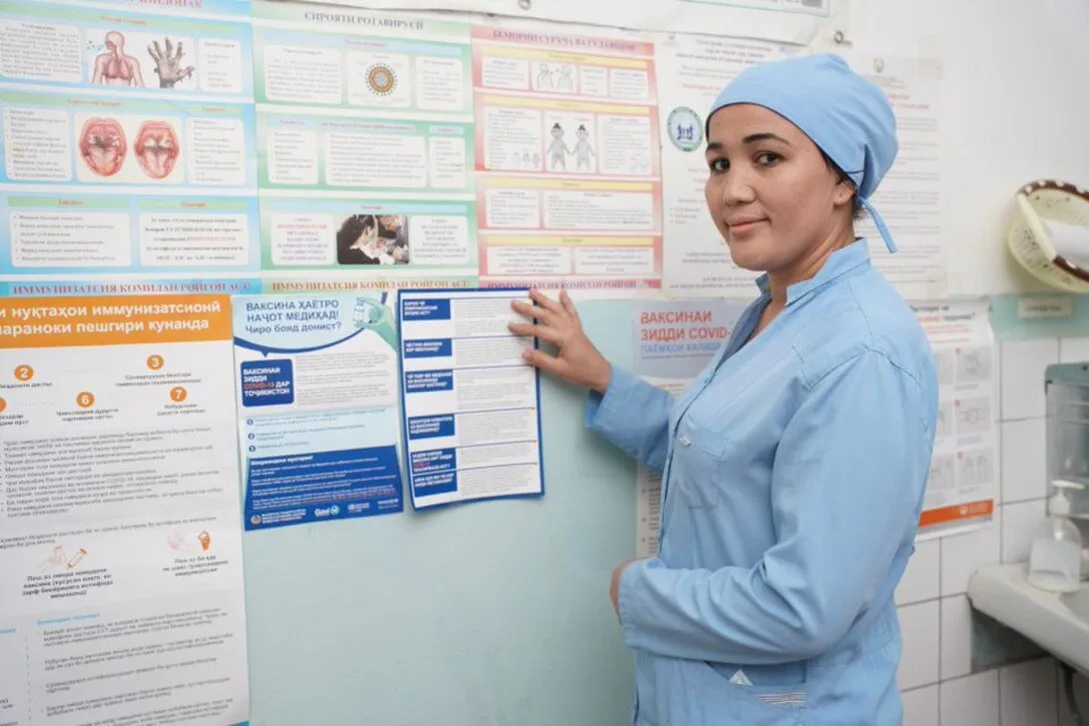
WHO and UNICEF launched updated clinical guidance for primary healthcare professionals treating children and adolescents.

Herat Regional Hospital completes surgical wing upgrade
Herat Regional Hospital inaugurated a modernised surgical and intensive care wing funded through international humanitarian grants, adding four new operating theatres and a post-operative monitoring unit equipped with modern vital-signs technology.

Infection prevention and hospital modernization
The Ministry of Health, the European Union and UNICEF inaugurated renovated healthcare facilities in Ayni District to strengthen infection prevention, improve hygiene standards and enhance patient safety.

ICRC delivers critical medical supplies to Afghan trauma centres
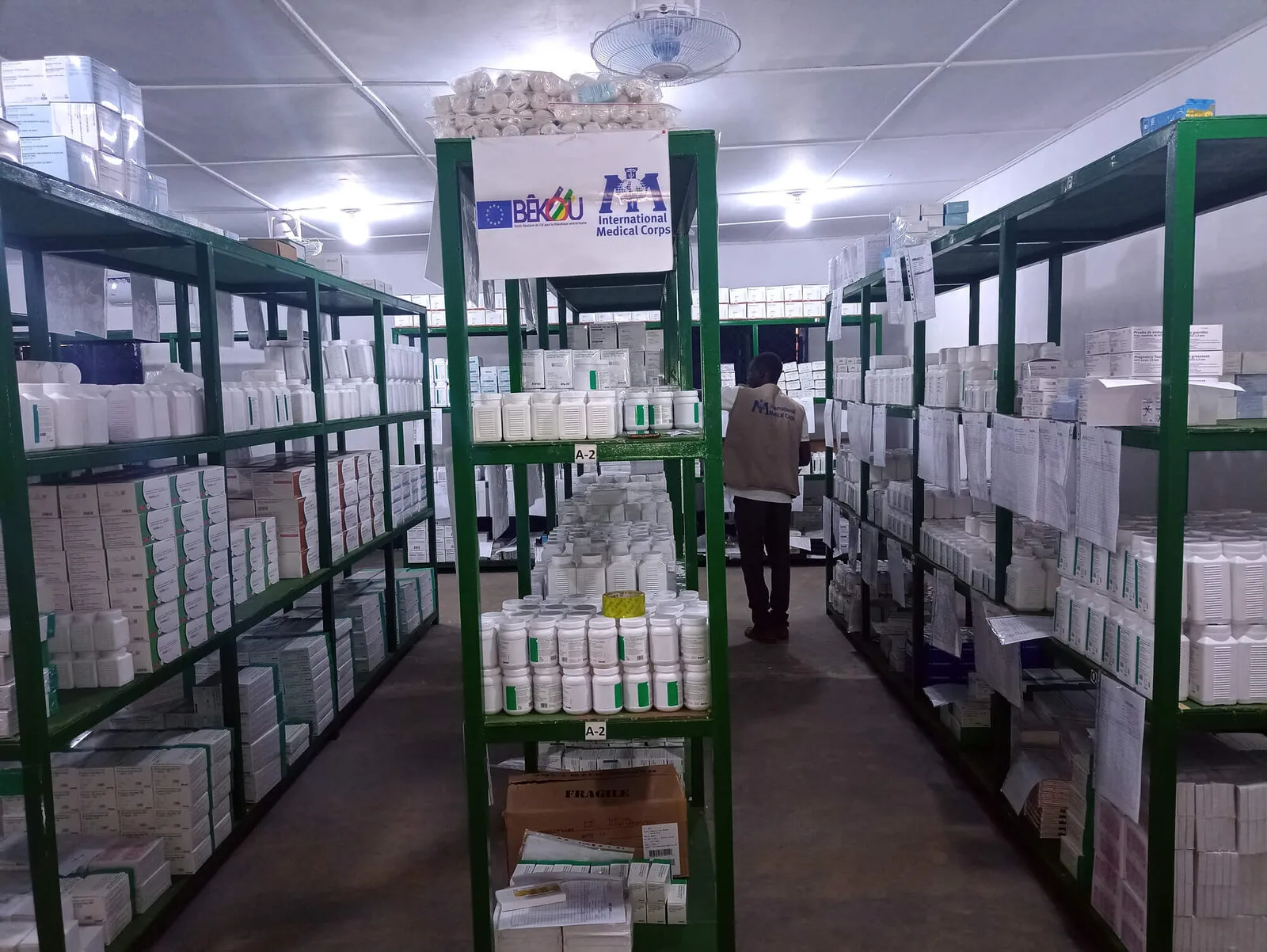
The International Committee of the Red Cross shipped emergency surgical kits, vascular access devices and resuscitation equipment to trauma centres in Kabul, Kandahar and Kunduz, restocking facilities that serve the country's highest-burden injury catchment areas.

Healthcare infrastructure modernization continues across Tajikistan
The Ministry of Health announced ongoing construction and renovation of more than 100 healthcare facilities throughout the country. The program focuses on improving hospital infrastructure, increasing healthcare capacity and expanding access to quality medical services.

Digital clinical resources introduced
Healthcare workers across Tajikistan now have access to digital medical reference materials for evidence-based patient care.

Leadership training for healthcare professionals
The Ministry of Health organized a national leadership and health management training program for family nurses to improve healthcare management and strengthen primary care services throughout Tajikistan.

Medical equipment regulation continues to evolve
The regulatory framework for medical devices is gradually expanding, with increasing emphasis on registration and post-market surveillance.

Afghanistan expands access to interventional cardiology services
MoPH guidelines now officially recognise percutaneous coronary intervention as a covered procedure at designated cardiac centres, clearing the pathway for structured procurement of coronary guidewires, catheters and stent delivery systems.

Improved procurement procedures
Medical equipment procurement is increasingly conducted through transparent competitive bidding and international donor-supported programs.

Expansion of oxygen therapy services
Healthcare facilities continue expanding oxygen therapy capabilities to improve respiratory care nationwide.

Tajikistan advances healthcare financing reforms
The Government of Tajikistan launched pilot healthcare financing reforms in Sughd Region to improve access to essential medical services. The initiative aims to modernize procurement systems, strengthen primary healthcare and improve the efficiency of healthcare institutions.

Mazar-i-Sharif hospitals receive modern monitoring and surgical devices
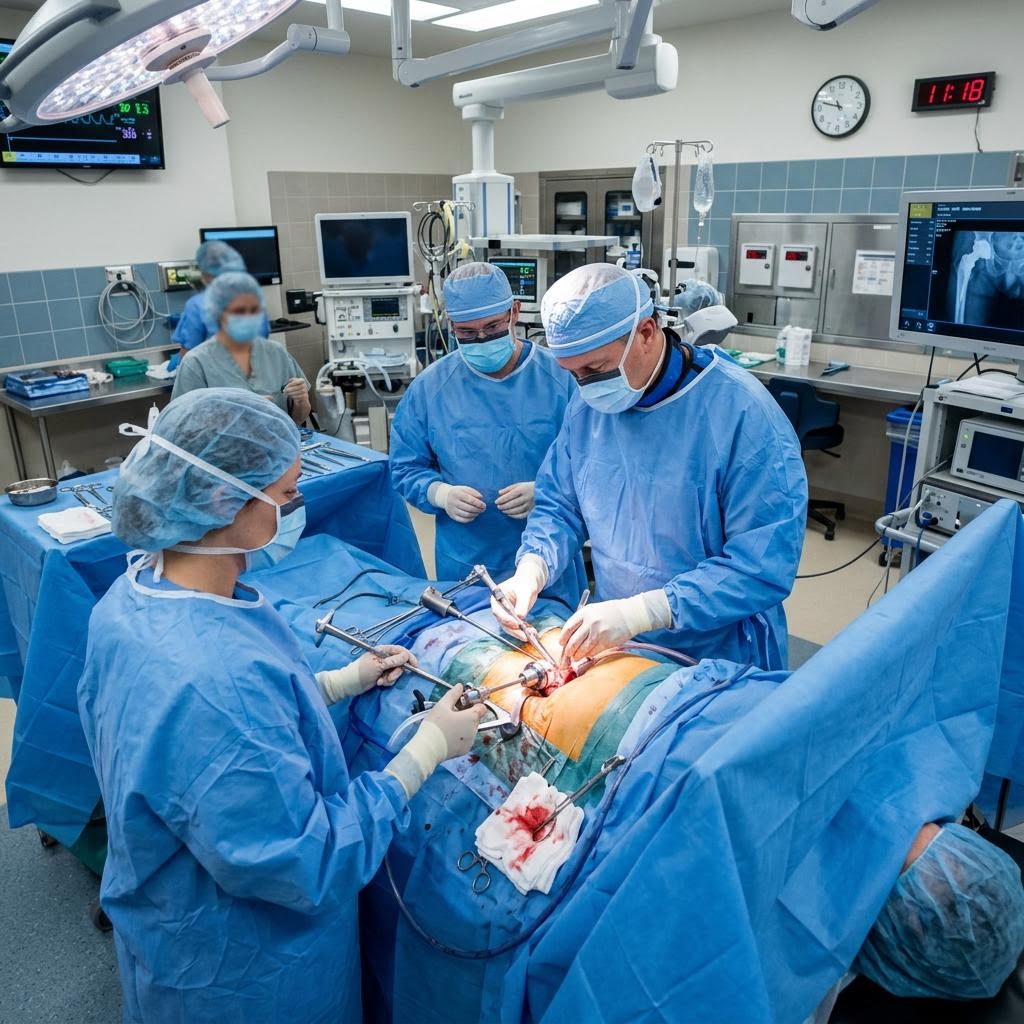
Balkh Regional Hospital and two affiliated clinics received a shipment of patient monitors, anaesthetic workstations and laparoscopic instruments through a bilateral health cooperation programme, boosting surgical throughput in northern Afghanistan.

Healthcare workforce training
National training initiatives continue to improve the skills of physicians, nurses and biomedical professionals.

Digital health training initiative launched across Afghan provinces
A WHO-backed programme is equipping district health officers and hospital administrators with digital tools for device inventory management, procurement tracking and patient record systems, improving supply-chain visibility nationwide.

Hospital equipment modernization
Regional hospitals continue upgrading diagnostic and treatment equipment as part of long-term modernization efforts.

Ministry strengthens medical device oversight
The Ministry of Health continues updating procedures governing medical equipment, pharmaceuticals and healthcare products.

Universal health coverage remains national priority
Government reforms aim to improve affordability, accessibility and quality of healthcare services throughout Tajikistan.

International partners fund medical equipment procurement in Afghanistan
A multi-donor fund administered through the MoPH has allocated resources for structured procurement of essential medical devices, prioritising cardiology, obstetrics and emergency care equipment for 48 district hospitals.

Afghanistan neonatal care programme receives equipment boost
UNICEF and MoPH jointly procured 120 neonatal resuscitation units and 80 incubators for maternity hospitals across 12 provinces, significantly expanding Afghanistan's capacity to manage premature births and newborn emergencies.

International organizations continue healthcare investment
WHO, UNICEF, the European Union and other partners continue investing in healthcare infrastructure and medical technology.

UNICEF delivers life-saving medical equipment across Tajikistan
UNICEF, in cooperation with the Ministry of Health and Social Protection of the Republic of Tajikistan, delivered 227 CPAP devices and 300 oxygen concentrators to strengthen neonatal and respiratory care. The equipment is being distributed to 73 healthcare facilities across the country, accompanied by clinical training for healthcare professionals.

Primary healthcare network expansion across Afghan provinces
Afghanistan's Basic Package of Health Services programme is extending its reach with 35 new rural health posts and the rehabilitation of 60 existing district health centres, each equipped with essential diagnostic and treatment devices.

Improved medical supply chain
Healthcare authorities continue strengthening procurement systems to ensure reliable delivery of medicines and medical devices.

Afghanistan formalises medical device import and quality framework
The MoPH issued updated guidelines requiring imported medical devices to carry valid CE or equivalent certification and lot-traceable documentation, aligning Afghanistan's import controls closer to international best practice.

Long-term health strategy through 2030
Tajikistan's national health strategy focuses on infrastructure development, medical equipment modernization, digital health and improved patient care through 2030.

Stroke care unit established at Kabul's main neurology centre
A new acute stroke unit at the Afghan-Japan Hospital, Kabul, is now equipped for mechanical thrombectomy and neurointerventional procedures, giving Afghan neurologists access to microcatheter and guidewire technology for the first time in a structured clinical setting.

Oxygen infrastructure programme scales across Afghanistan
A USAID and WHO co-funded initiative has installed or upgraded medical oxygen production and distribution systems in 22 provincial hospitals, eliminating the dependency on cylinder imports and supporting respiratory, surgical and intensive care units.

Afghanistan health sector strategy sets device access targets for 2026
The MoPH's updated national health sector strategy identifies medical device availability as a core pillar, setting specific targets for the number of functional diagnostic, surgical and critical-care devices per 10,000 population across all 34 provinces by end of 2026.
Ministry of Health items are official announcements from the Ministry of Health and Social Protection of the Population of the Republic of Tajikistan, republished here and kept automatically up to date.